How are Christians to think of 'secular' authorities?
 In a comment from a recent post about political authorities, Matheson asked: what does it mean for our attitude towards participation (which Drew encourages us to take up responsibly) that these are merely secular authorities, in the sense that they are of this "age"?
This, of course, was a leading question.
Secular is derived from the Latin secularis, which is from seculum, meaning 'age or generation'. It was a term used by the medieval church to denote what belonged to the sphere of the 'world', or at least of the world of this age, as opposed to what pertained to the age to come. Thus, by calling political authorities 'secular', this was not primarily a way of designating a 'separation between church and state' (though this idea is thoroughly rooted in Christian conceptions of authority, despite its frequent misunderstanding and abuse in much contemporary debate).* Instead, such authorities are secular because their authority is temporally limited. Their existence will continue prior to the eschatological victory of Christ in which he will 'destroy every ruler and every authority and power' before handing the kingdom over to God the Father (1 Corinthians 15.24). Thus the primary Christian stance towards secular political authorities is freedom, knowing that they are passing away, that their authority is limited and temporary. The primary political duty of the church is to bear witness to the coming rule of Christ, reminding governments that their role has a use by date and that they are not to pretend otherwise by setting themselves up as absolute authorities. Within this freedom, the Christian is liberated for joyful obedience to these provisional structures while awaiting the resurrection of the dead and with it, the destruction of the ultimate resort of every tyrant: death.
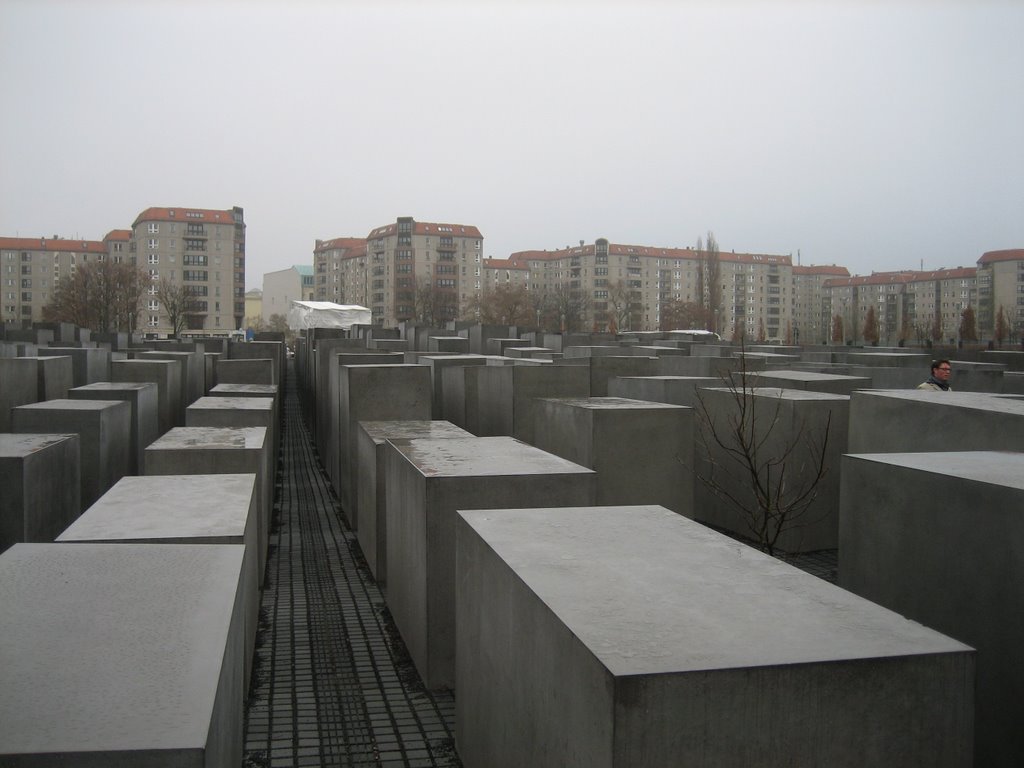
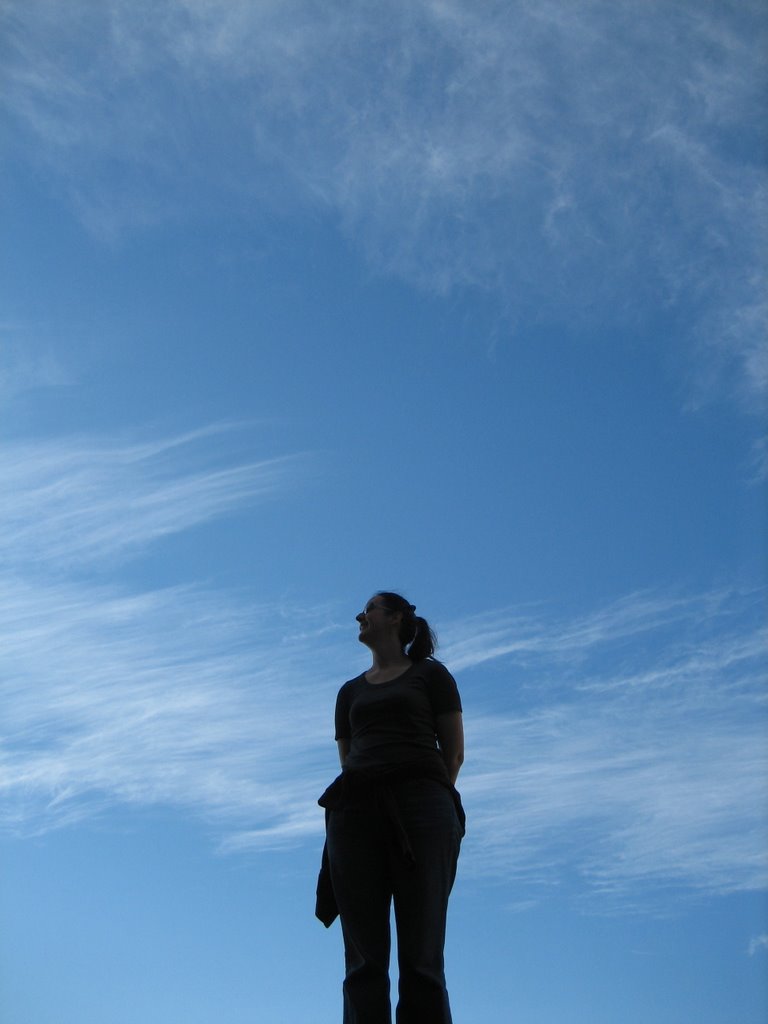
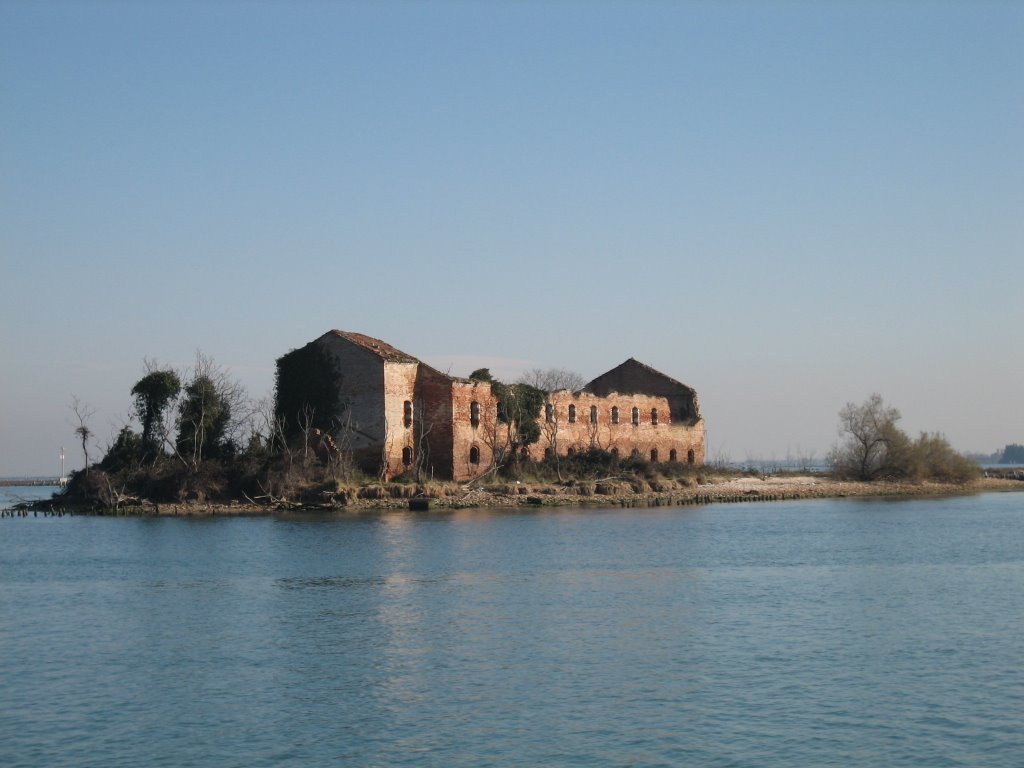
* See Oliver O'Donovan The Desire of the Nations (and presumably also The Ways of Judgment) for this argument. Indeed this post is a brief summary of one thread in his thought, as Matheson was well aware when he made the comment. Since Matheson's comment sparked this post, I thought his smiling face should end it. Five points for the first to name the thing behind Matheson. Ten points for the institution in the first shot that is being turned into a mere silhouette by the rising Son. (Yes, groan all you like; I know you're sitting there wishing you'd said it first. And yes, I know the sun is actually setting - poetic licence).
 Graven Ideologies: Nietzsche, Derrida & Marion on Modern Idolatry by Bruce Ellis Benson (IVP: 2002)




 Posts
Posts